APEC Summit: Trump Hopeful on India-US Trade Deal
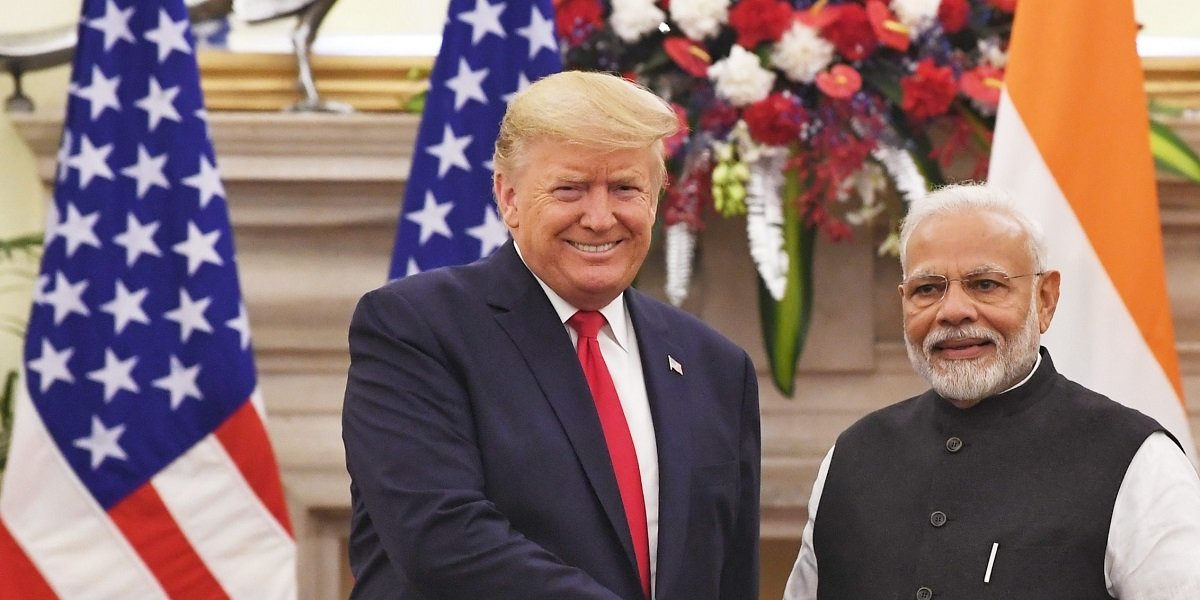
The future of India-US diplomatic relations is in the spotlight following the APEC summit, where President Donald Trump signaled strong optimism for a new India-US trade deal 2025. While speaking to global business leaders, Trump expressed his “great respect and love” for Prime Minister Narendra Modi and confirmed that bilateral trade talks are progressing.
This positive outlook arrives at a complex moment. Officials from both nations have recently stated that a bilateral trade agreement is “very near” completion. However, this optimism is set against a backdrop of significant, ongoing trade friction and renewed claims by the President about his role in past regional de-escalations. This article breaks down the key developments.
Trump’s APEC Claim: A 250% Tariff Threat?
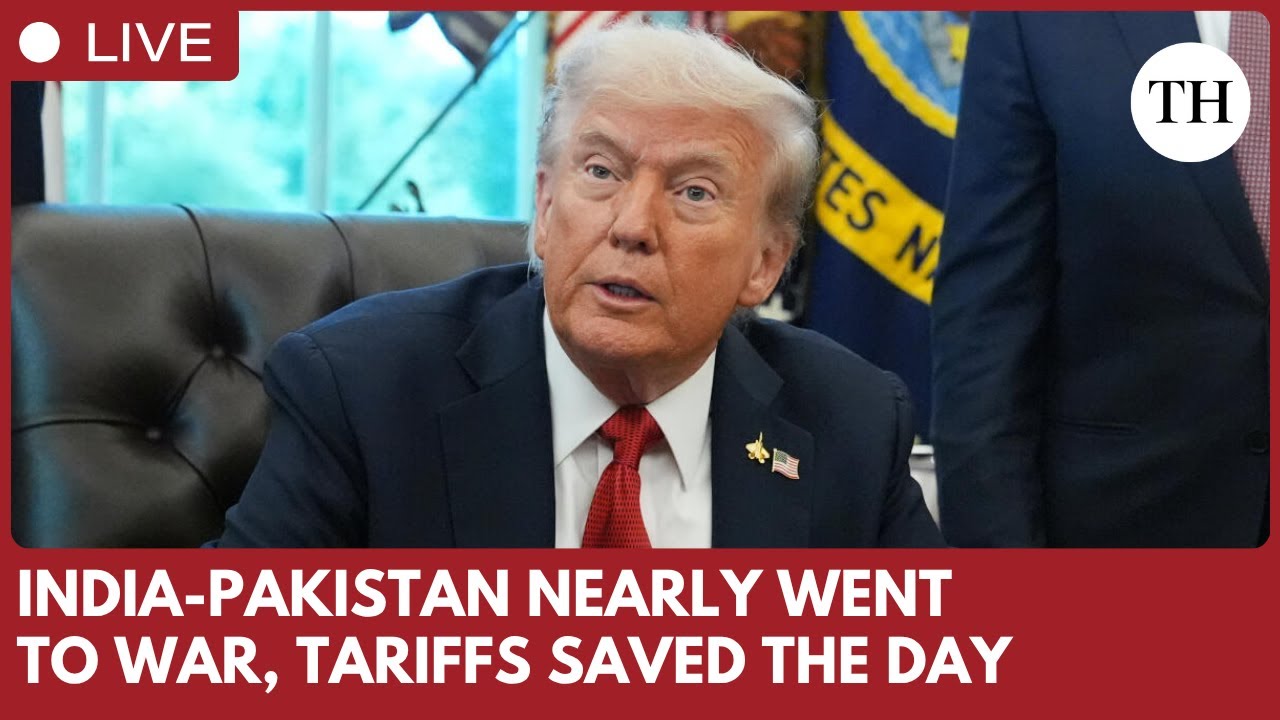
A significant part of President Trump’s address at the APEC luncheon was his recollection of the May 2025 military tensions between India and Pakistan. He reiterated his claim that his administration’s intervention was the deciding factor in preventing a full-scale conflict.
The Donald Trump 250% tariff claim was the core of his story. He stated he warned both nations of severe economic consequences, including a potential “250% tariff” on all their goods, if they did not agree to an immediate ceasefire. “I said, ‘we can’t make a trade deal with you… if you’re starting a war,'” Trump recounted, describing his administration’s hard-line stance as the key to securing a ceasefire.
This narrative is not new, but its repetition at a high-profile economic summit has brought it back into the news. It is crucial to note the official diplomatic record on this. The Indian government’s stance has been consistent: India denies US role in Pakistan de-escalation. New Delhi has repeatedly and formally stated that the ceasefire was a result of direct talks between the Directors General of Military Operations (DGMOs) of the two countries, without any third-party mediation.
The Real Hurdle: Current US Tariffs on India
The discussion on tariffs is highly relevant as India-US diplomatic relations are currently navigating a period of significant, real-world trade friction. The US has imposed a steep 50% tariff on Indian imports.
A major component of this is a 25% penalty tariff specifically linked to India’s purchase of Russian oil. Washington has argued that these imports are “helping to power Russia’s war machine.” India, however, has defended its energy policy as essential for its national energy security and price stability for its 1.4 billion people.
This specific dispute over the US tariffs on India (Russian oil) is widely seen as the single biggest obstacle that must be resolved before any new, comprehensive trade deal can be finalized. Reports suggest that any new deal would involve a significant reduction of these tariffs, possibly to as low as 15%, but the final terms remain under negotiation.
Diplomacy in Motion: Jaishankar and Rubio Meet
Despite the public friction, high-level diplomatic channels remain active. On the sidelines of the recent East Asia Summit in Kuala Lumpur, a key meeting took place between India’s External Affairs Minister, EAM S Jaishankar, and US Secretary of State, Marco Rubio.
The meeting was held to discuss “bilateral ties as well as regional and global issues.” While details of the private discussion were not released, Minister Jaishankar later made carefully worded public remarks. He noted that in the global energy trade, “principles are applied selectively and what is preached is not necessarily practised,” a comment widely interpreted as a clear and diplomatic reference to the US tariffs. This meeting underscores that both sides are still engaged, seeking to navigate their differences even as they continue bilateral trade talks.
What’s Next for the India-US Trade Deal?
The path forward for the India-US trade deal 2025 remains both promising and complex. President Trump’s optimistic comments at the APEC summit suggest a strong political will from the White House to sign an agreement.
However, this optimism must be balanced against the tangible reality of the 50% tariffs and the ongoing, sensitive dispute over India’s energy imports. The progress of India-US diplomatic relations in the coming weeks will depend on the ability of negotiators to find a resolution to the tariff issue, turning the positive signals from the APEC summit into a concrete economic partnership.
Here is a video that discusses President Trump’s past claims of using tariffs to stop a conflict between India and Pakistan. Trump claims tariff power averted India‑Pakistan war, says ‘seven planes were shot down’