
We all want our children to grow up to be successful, happy, and secure. We teach them to look both ways before crossing the street, to be kind, and to study hard. But when do we start teaching them about money?
If you’re not sure where to begin, you’re not alone. Luckily, one of the world’s most successful investors has already created the ultimate cheat sheet for parents.
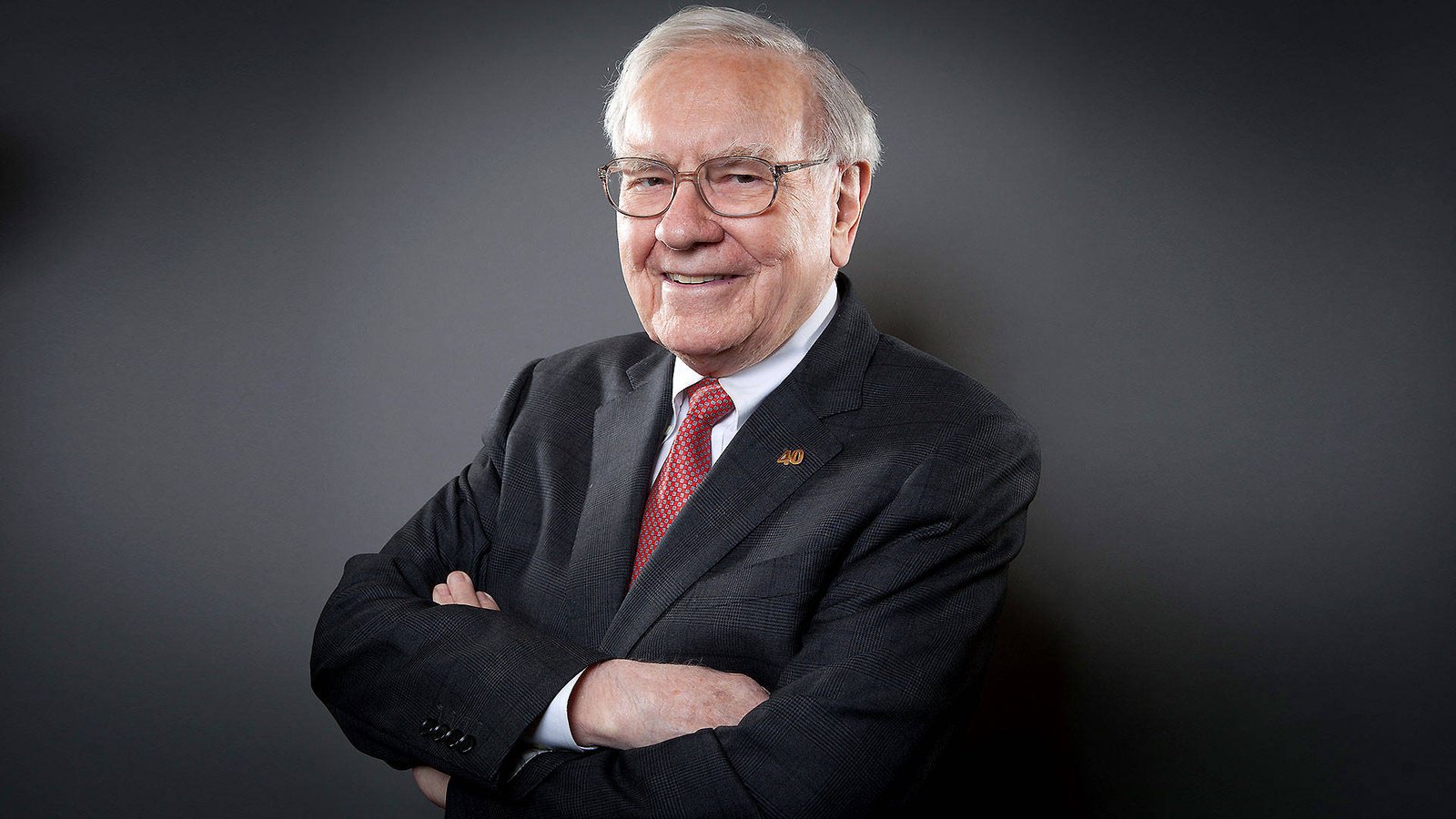
We’re talking about Warren Buffett.
While he’s famous for being the “Oracle of Omaha,” a billionaire investor who can dissect complex markets, he’s also a passionate advocate for kid-friendly financial literacy. He was so passionate, in fact, that he helped create an animated series called Secret Millionaires Club just to teach simple money concepts to children.
Buffett believes that the habits we form as kids are the ones that stick. “It’s never too early,” he once said, and research agrees. Studies show that our core money habits are often set by the age of seven.
The good news? You don’t need a finance degree to teach these lessons. Here are five of Buffett’s most essential, parent-friendly money lessons to start today.
1. Lesson 1: Don’t Wait—Their “Money Brain” Is Already Working
Many parents wait until the teen years to talk about money, but by then, many core beliefs are already in place. Buffett champions starting the conversation as soon as kids can count.
It’s not about teaching them to pick stocks. It’s about building foundational habits. When you’re at the grocery store, talk aloud about your choices. “This brand is on sale, so we’re saving two dollars,” or, “We’re going to skip this because it’s not on our list.” You are modeling smart decisions in real-time, and their absorbent little minds are taking it all in.
2. Lesson 2: The “Need vs. Want” Game: The Simplest Budget Ever
This is perhaps the most powerful lesson a parent can teach. Understanding the difference between a need (like food, a warm coat, or a home) and a want (like a new video game, candy at checkout, or a trendy toy) is the cornerstone of all financial self-control.
How to teach it: Turn it into a game. The next time you’re shopping and your child asks for something, calmly ask, “Is that a need or a want?” Let them answer. There’s no judgment—it’s okay to buy wants sometimes! The goal is simply to get them to pause and think before they ask. This simple practice builds incredible mindfulness and helps prevent impulsive spending habits later in life.
3. Lesson 3: The Snowball Secret: Making Saving a Habit
Buffett’s most famous analogy is the “snowball.” A small, tightly-packed snowball, if rolled from the top of a long, snowy hill, will grow bigger and bigger all on its own.
Money is the same. Buffett advises teaching kids to “pay themselves first.” This means when they get an allowance or birthday money, the very first thing they do is set aside a small portion for savings—not saving what’s left over after spending.
How to teach it: Use a clear jar. Don’t use a piggy bank they can’t see into. A clear jar lets them visually watch their money grow. Celebrate when they hit a $5 or $10 milestone. That visual reward makes the concept of saving (and compound interest) tangible and exciting.
4. Lesson 4: The Best Purchase: Why They Must Invest in Themselves
This lesson isn’t about the stock market. It’s about them. “The best investment you can make is in yourself,” Buffett famously says.
Money’s ultimate purpose isn’t just to buy things; it’s to build a life and create opportunities. Encourage your kids to use their time and (eventually) their money to get better at what they love.
How to teach it: Frame learning as an investment. Are they curious about coding? Find a free online class. Do they love to draw? Invest in a sketchpad and good pencils. Do they love to read? The library card is the best “investment” tool on the planet. Fostering their curiosity and skills builds their confidence and capability—which, as Buffett notes, is the one asset no one can ever take away from them.
5. Lesson 5: The “First Dollar” Feeling: The Value of Earning
Buffett wasn’t just given money; he earned it. He started his first business ventures at just six years old, selling packs of gum and Coca-Cola bottles door-to-door.
He believes this entrepreneurial mindset is critical. When a child earns their own money, even from a simple lemonade stand or doing extra chores, it teaches them a dozen lessons at once: problem-solving, responsibility, customer service, and, most importantly, the true value of a dollar. They’re far less likely to waste a dollar they spent an hour earning.
How to teach it: Encourage small “gigs.” This isn’t about child labor; it’s about empowerment. Can they help a neighbor water plants? Sell old toys (with your help) online? A simple lemonade stand teaches them about marketing (making a sign), supply costs (lemons and sugar), and profit (the money left at the end).
By starting these simple, friendly conversations early, you’re not just raising a future millionaire. You’re raising a confident, capable, and responsible adult who understands how to use money as a tool to build a secure and generous life. And that’s a lesson worth more than any stock portfolio.